2026
Mairi McAllan
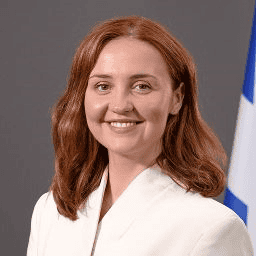
Mairi McAllan is the Cabinet Secretary for Economy and Gaelic, and has responsibility for BSL.
Scroll to Explore
2026
Mairi McAllan is the Cabinet Secretary for Economy and Gaelic, and has responsibility for BSL.
2024
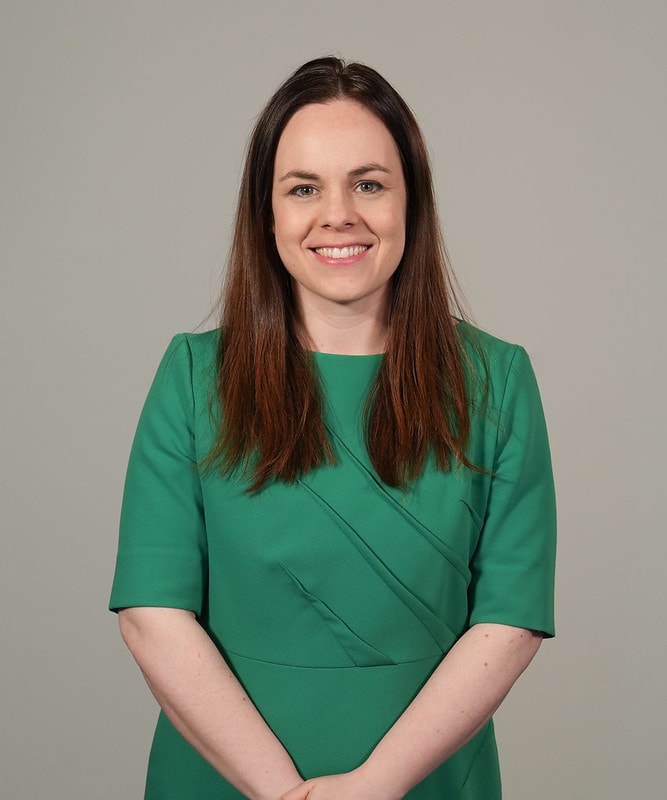
Kate Forbes is the Deputy First Minister and Cabinet Secretary for Economy and Gaelic, and has responsibility for BSL.
2023
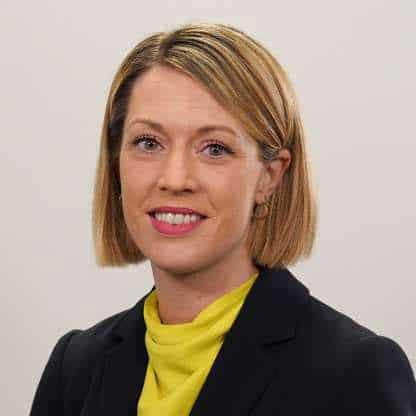
Jenny Gilruth MSP was appointed as the Cabinet Secretary for Education and Skills in March 2023
2021

In October, Max Barber, a Deaf BSL user, became BSL Policy Officer within the Scottish Government
2021
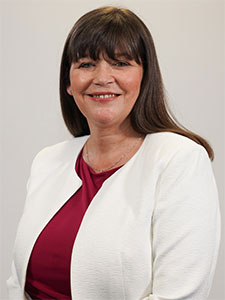
Minister for Children and Young People with responsibility for British Sign Language in 2021
2020
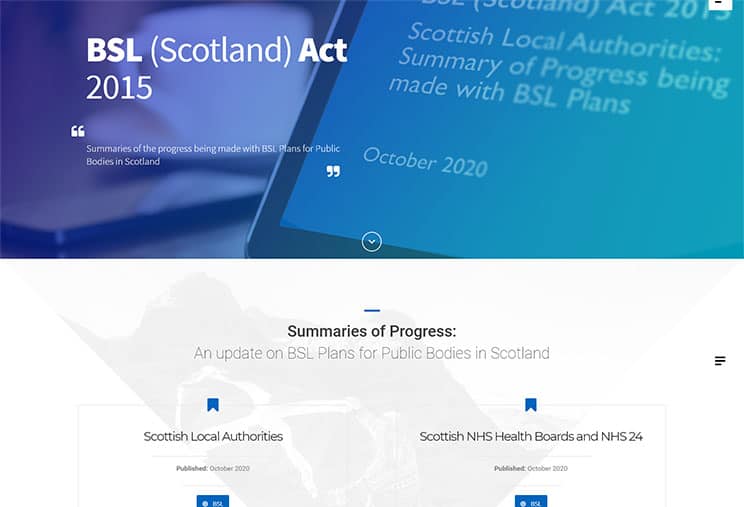
Summaries of the progress being made with BSL Plans for Public Bodies in Scotland. The interim reports provided an insight of impact of the BSL (Scotland) Act 2015 created by BSL Partners (BDA Scotland, Deaf Action and NDCS) for the first time.
2020
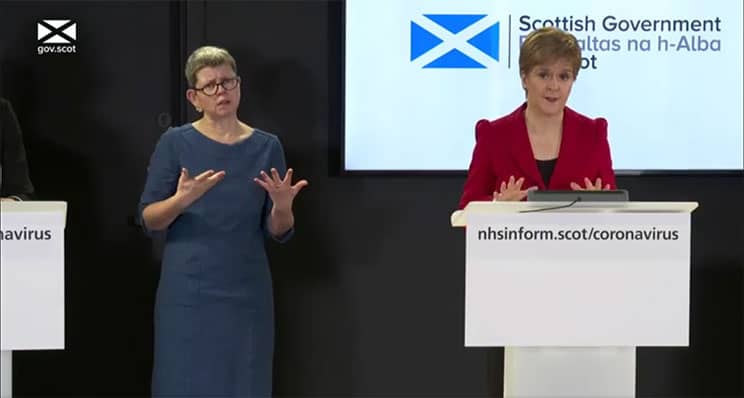
First Minister, Nicola Sturgeon, holds a press conference about coronavirus with BSL/English interpreter on 23rd March 2020.
This was the first time an interpreter was used for a briefing in Scotland.
2019
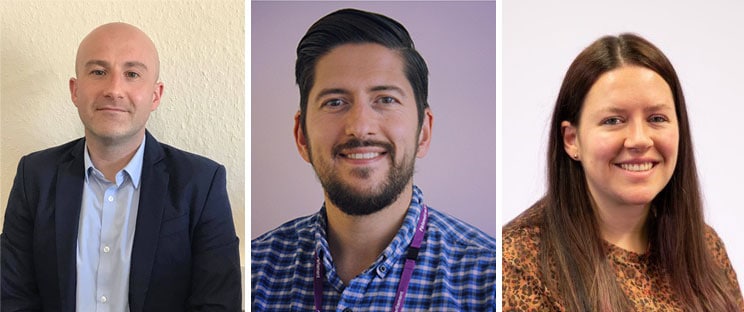
In April, Frankie McLean (left) became BSL Policy Officer within the Scottish Government.
In June, Mark McMillan (centre) was made BSL Development Officer for the Scottish Parliament.
Later on in October of 2019, Alison Hendry (right) became the BSL Development Officer at the University of Edinburgh
2018
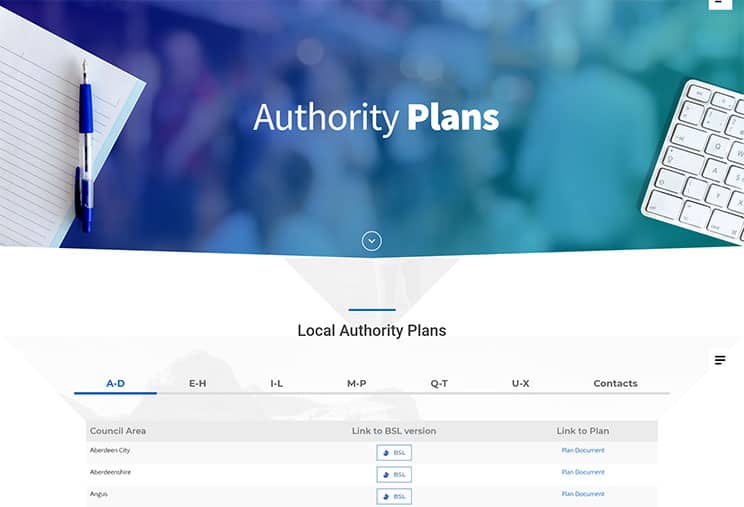
This is Scotland’s first BSL National Plan, covering the whole of the Scottish Government, and over 50 national public bodies that Scottish Ministers have responsibility for. Other public bodies, including local authorities, regional NHS boards, as well as colleges and universities will publish their own BSL plans by October 2018.
2017
Minister for Childcare and Early Years with responsibility for British Sign Language
2017
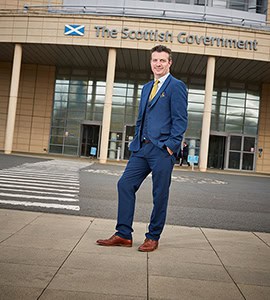
Gordon Hay, a Deaf BSL user, is appointed BSL Policy Officer within the Scottish Government.
2017
United Nations declared 23 September as International Day of Sign Languages
2017
The BSL National Plan was launched on 24 October. The first time a National Plan has been published bilingually in BSL and English Ministerial Statement in the Scottish Parliament
2017
Consultation on the BSL National Plan launched on 23 March
2016-2017
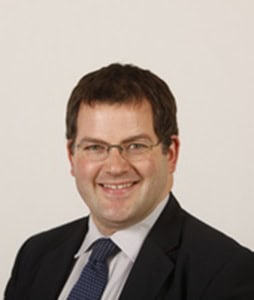
Minister for Childcare and Early Years with responsibility for British Sign Language
2016
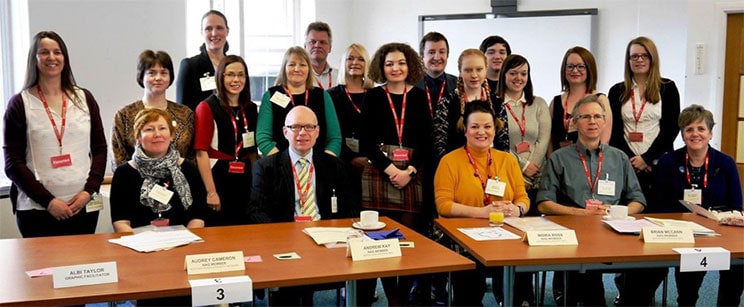
A National Advisory Group (NAG) is established by the Scottish Government to support the development of the first BSL National Plan on 11 March. The NAG membership is made up of representatives from Public Bodies and members of the Deaf Community
2016
Two documentaries produced for BSL Zone titled ‘The Battle for BSL’ and ‘Cheers for BSL’ were transmitted
2015
The BSL Bill received Royal Assent on 22 October and officially became the BSL (Scotland) Act 2015
2015
Stage 3 Debate in the Scottish Parliament on 17 September. The BSL Scotland) Bill was passed unanimously
2015
Stage 2 Debate in the Scottish Parliament on 2 June
2015
Stage 1 Debate in the Scottish Parliament on 5 May
2014
The BSL (Scotland) Bill was introduced to the Scottish Parliament on 29 October. The Education and Culture Committee set up a Facebook group in November to encourage BSL users to give their views on the BSL (Scotland) Bill
2012
Cathie Craigie passed on the baton to fellow MSP Mark Griffin to take the Bill forward. A second consultation period ran from 27 July to 7 November. The consultations were available in BSL
2011
Census 2011 recorded a total of 12,533 people aged 3 and over using BSL at home
2010
The 21st International Congress on the Education of the Deaf held in Vancouver, Canada passes a resounding resolution that rejects the motions passed back in Milan in 1880
2010
MSP Cathie Craigie was prepared to put forward a Member’s Bill and launched a consultation process to see if there was support for a BSL (Scotland) Act. The consultation was from 9 July to 29 October and showed there was overwhelming support for a BSL (Scotland) Act
2008
Scottish Council on Deafness (SCoD) prepared a briefing paper for the Cross Party Group on Deafness asking for a BSL (Scotland) Act similar to the Gaelic Language Act 2005
2005
Dr. Mary Brennan passed away on 23 June
2003
The British Government finally recognised BSL as a language in its own right on 18 March
2000
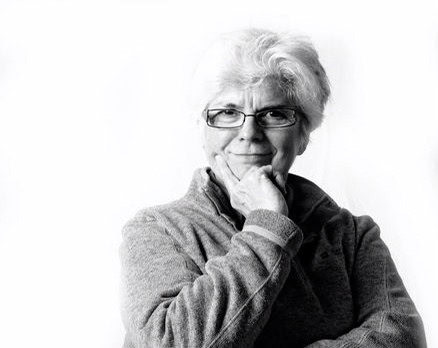
Lilian K. Lawson became Director of the Scottish Council on Deafness in June and led the BSL recognition movement; with the Cross Party Group on Deafness has its first meeting in November
2000
BSL was on the Scottish Parliamentary agenda in a debate based on a motion submitted by Winnie Ewing on 16 February
1999
The first British Sign Language march of the Campaign for the Recognition of BSL takes place in London and began series of marches for a number of years
1995
Bencie Woll becomes the first Professor of Sign Language and Deaf Studies in the UK, at City University, London
1992
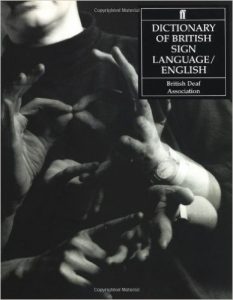
The ‘Dictionary of BSL/English’, the first BSL vocabulary book, was published
1990
Deaf Studies programmes are established at the University of Central Lancashire (Preston) and University of Wolverhampton to encourage people to obtain degrees in British Sign Language related subjects
1990
The Patron of the BDA, Princess Diana gave a speech in BSL at the Centenary Congress and made another surprise visit at Durham University to meet Deaf BSL Tutors, again, communicating in BSL
1985
The International Congress on the Education of the Deaf, held in Manchester, saw what Deaf historians regard as the ‘true birth’ of the campaign for the use and the recognition of British Sign Language. Deaf delegates and international Deaf groups abandon the Congress and join to organise an ‘Alternative Conference’ at Manchester’s Deaf Centre
1983
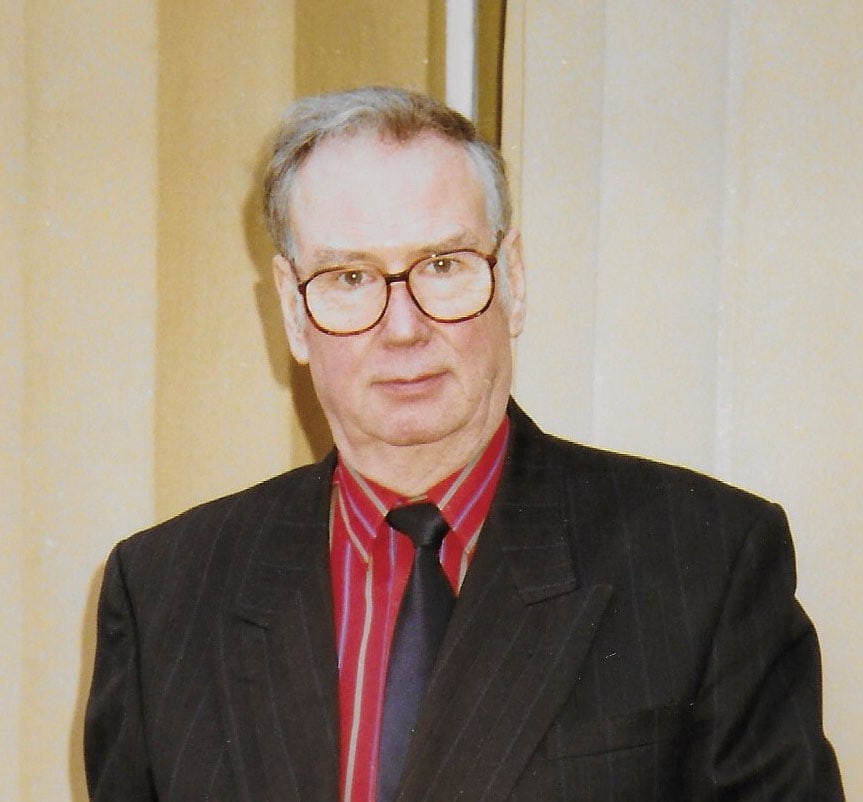
Jock Young, who hails from Scotland, becomes the first Deaf Chair with Murray Holmes (also Scottish) as Deaf Vice-Chair of the BDA
1980
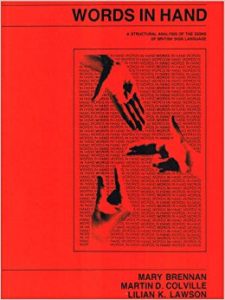
Words in Hand: A Structural Analysis of the Signs of British Sign Language was published by Mary Brennan, Martin D. Colville and Lillian K. Lawson
1975
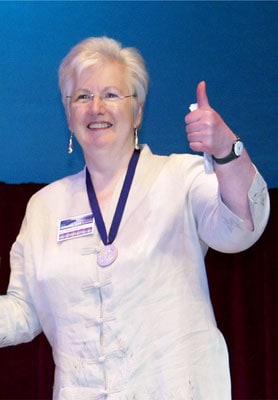
Working at Moray House in Edinburgh, Mary Brennan was the first person to propose the name British Sign Language (BSL) be used for the sign language of the British Deaf Community
1944
The National Deaf Children’s Society is formed, coinciding with a new Education Act 1944
1924
The first International Silent Games (later World Games for the Deaf and now Deaflympics) are held in Paris (Paralympics was founded in 1960)
1895
The Guide to Chirology pamphlets are first published by Harry Ash (1863-1934). These ran through until 1920 – it is known as the first Deaf Awareness Movement
1893
The Elementary Education (Deaf and Blind Children) Act is passed. This accepted, in full, the recommendations of the Milan Congress, leading to an era of Oralism in British Deaf schools
1890
The British Deaf and Dumb Association (BDA as from 1971) is founded in response to the influence of the Milan Congress resolutions
1889
A Royal Commission set up by the British Government decides that the ‘oral method’ should be used for every Deaf child
1880
The Second International Congress on Education of the Deaf, held in Milan, infamously passes several resolutions declaring that sign language was inferior to Oralism, and ought to be banned. This leads to the widespread suppression of sign language in many Deaf schools throughout the world
1760
Opening of Thomas Braidwood’s Academy for the Deaf in Edinburgh, the first school for the Deaf in the world, which saw the education of many famous Deaf sign language users
1428-1486